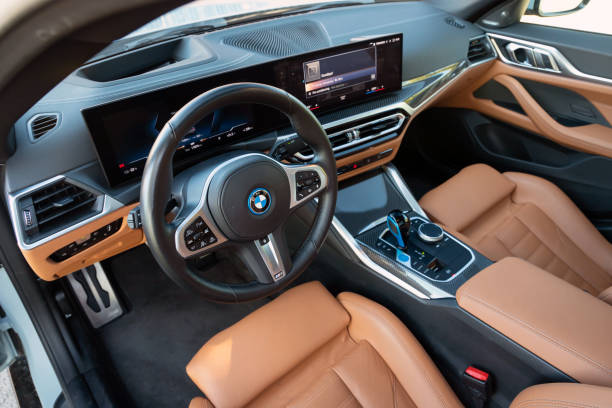

Electric cars are no longer just the future of transportation—they’re very much a part of the present. With advancements in battery technology, improved charging infrastructure, and an expanding array of options, EVs now cater to a wide spectrum of drivers. Let’s delve into the performance, price, and features of today’s leading electric cars to understand their appeal and practicality.
Performance: From Efficiency to Speed
Electric vehicles have redefined expectations when it comes to performance. Thanks to instant torque delivery, EVs often outpace traditional internal combustion engine cars in acceleration. For instance, the Tesla Model S Plaid sets a benchmark with a blistering 0-60 mph time of under two seconds, while still maintaining a range of over 390 miles.
For drivers focused on efficiency rather than speed, models like the Hyundai Ioniq 6 and Chevrolet Bolt offer excellent range and energy efficiency. These vehicles demonstrate that performance in EVs isn’t just about power but also about maximizing mileage per charge.
Price: Options for Every Budget
Electric cars are available at a variety of price points, making them more accessible than ever. Affordable options, such as the Nissan Leaf and the Chevrolet Bolt, start under $30,000 (after incentives), offering a cost-effective entry into the EV market. Mid-range models like the Tesla Model 3 and Ford Mustang Mach-E strike a balance between premium features and affordability, catering to those who value performance and style without breaking the bank.
For luxury EV enthusiasts, high-end options like the Lucid Air and Porsche Taycan deliver a blend of cutting-edge technology, opulent interiors, and superior driving dynamics. While these models command higher price tags, they represent the pinnacle of electric mobility.
Features: Innovation at Its Best
Modern electric cars are packed with advanced features that enhance the driving experience. Tesla’s Autopilot and Full Self-Driving capabilities are leading examples of semi-autonomous driving technology, while models like the Hyundai Kona Electric offer intuitive infotainment systems and smartphone integration.
Charging speed and convenience have also become critical features. The Kia EV6 and Hyundai Ioniq 5 support ultra-fast charging, allowing drivers to replenish up to 80% of their battery in just 18 minutes. Many EVs also come with smartphone apps that provide real-time updates on charging status, remote control of vehicle functions, and access to preconditioning systems.
Environmental and Long-Term Benefits
Beyond performance and features, electric vehicles offer significant environmental advantages. They produce zero tailpipe emissions, and when powered by renewable energy, their carbon footprint is drastically reduced. Moreover, EVs require less maintenance due to fewer moving parts, translating into long-term savings for owners.
Conclusion
Electric cars are reshaping the automotive landscape, offering unparalleled performance, competitive pricing, and innovative features. Whether you’re a first-time EV buyer or a seasoned enthusiast, today’s market has an electric vehicle to suit your needs, making the switch to electric more enticing than ever.