

Brakes are arguably the most important safety feature of any vehicle. Whether you’re cruising on a highway or driving through a busy neighborhood, your ability to stop in time can be the difference between a safe journey and a dangerous accident. Despite their importance, many car owners tend to overlook brake maintenance until something goes wrong. In this article, we’ll explore the importance of regular brake inspections, signs your brakes need repair, and how choosing the right service can make all the difference. If you’re looking for expert auto brake repair, there’s never been a better time to understand what your vehicle really needs.
Why Brake Repair Should Never Be Ignored
Safety First
Your brakes are the first line of defense in an emergency. Worn-out brake pads or low brake fluid can delay stopping time, increasing the risk of accidents. According to the National Highway Traffic Safety Administration (NHTSA), brake-related issues contribute to nearly 25% of all car accidents in the U.S. each year. That’s a major reason why regular maintenance is critical.
Cost-Effective in the Long Run
Ignoring minor brake issues now could lead to more expensive repairs later. Replacing a set of brake pads is relatively inexpensive, but waiting too long can damage the rotors and calipers, pushing repair bills sky-high. Spending a little today could save you hundreds—or even thousands—tomorrow.
Signs Your Brakes May Need Repair
Squealing or Grinding Noises
Unusual sounds when applying the brakes are often your first warning sign. A high-pitched squeal usually means the brake pads are wearing thin. Grinding noises may indicate metal-on-metal contact, which can severely damage the brake rotors.
Vibration or Pulsation
If your steering wheel or brake pedal vibrates when you stop, it may be due to warped rotors. This is often caused by overheating or driving with worn-out brake pads.
Warning Lights
Modern vehicles are equipped with dashboard indicators that alert you to brake issues. If your brake warning light comes on, don’t ignore it. It’s your car’s way of telling you something’s not right.
Choosing the Right Brake Repair Shop
When it comes to fixing your brakes, you want someone you can trust. Choosing a reputable brake repair shop ensures your vehicle is serviced by trained professionals using quality parts. Here are a few things to look for:
Certified Technicians
Make sure the shop employs ASE-certified mechanics. These professionals have the training and expertise to handle complex brake systems safely and effectively.
Transparent Pricing
A good repair shop should provide upfront pricing with no hidden fees. Ask for a detailed quote and don’t be afraid to compare it with others.
Warranty on Repairs
Reliable shops stand by their work. Look for businesses that offer a warranty on parts and labor so you have peace of mind long after you drive away.
How Often Should You Get Your Brakes Checked?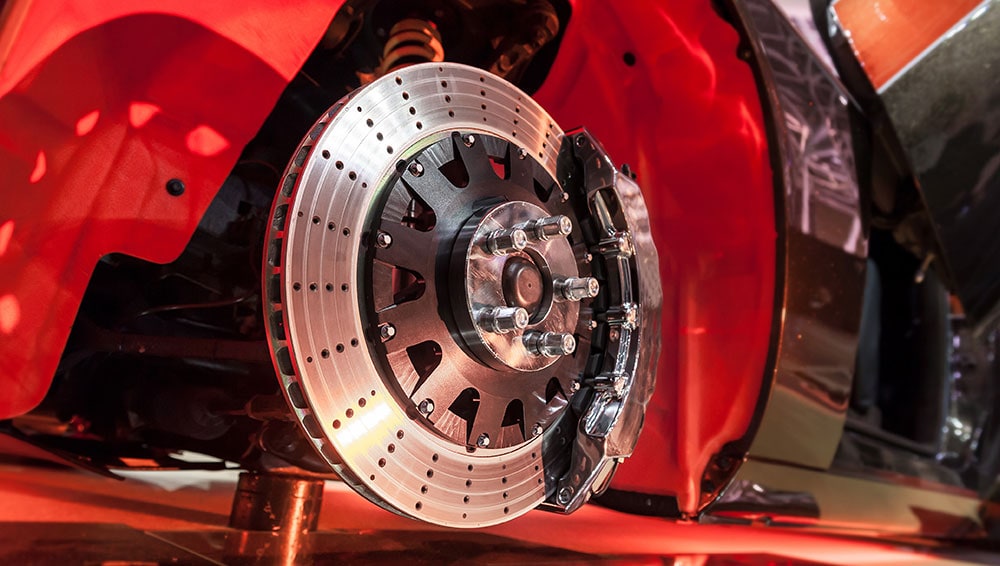
As a general rule, brake pads should be inspected every 10,000 to 15,000 miles and replaced every 25,000 to 70,000 miles depending on driving conditions and habits. However, it’s a good idea to have them checked during routine oil changes or every six months. If you drive in heavy traffic or mountainous terrain often, you might need more frequent inspections.
The Role of Quality Parts in Brake Repair
All brake parts are not created equal. Opting for high-quality components like ceramic or semi-metallic pads ensures better performance and longevity. While they may cost a bit more upfront, they offer superior heat resistance and quieter braking, making them a worthwhile investment.
Summary & Final Thoughts
Brake repair is not just about fixing a mechanical issue—it’s about keeping you and your loved ones safe on the road. From strange noises to warning lights, your vehicle gives you clues when something’s wrong. Acting quickly can prevent small issues from becoming major repairs.


